
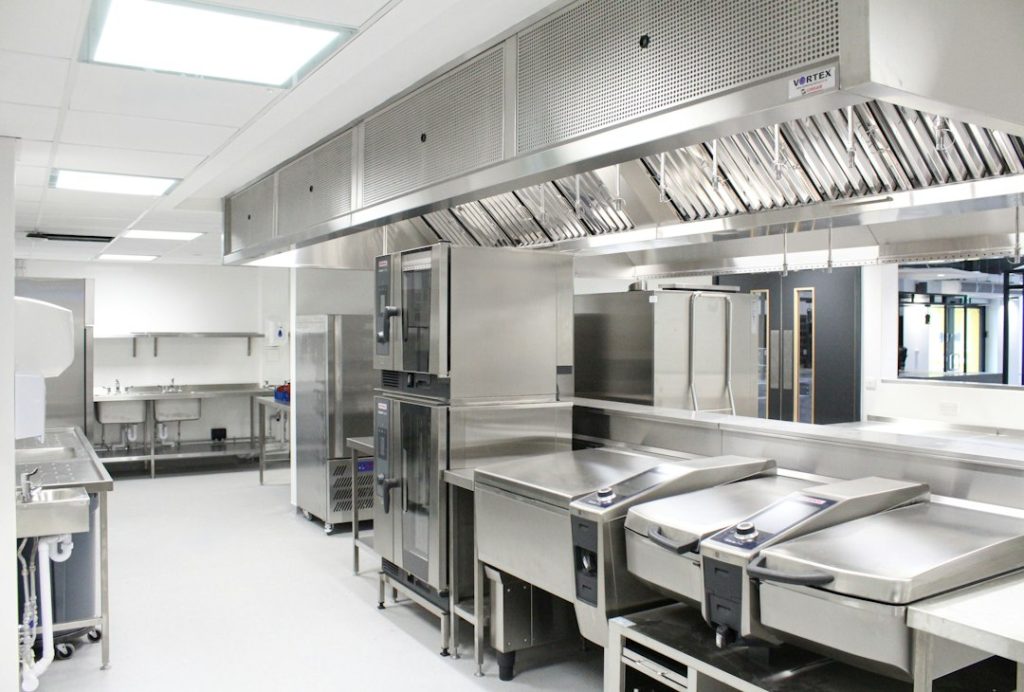
A commercial kitchen is a high-activity environment where cooking, food preparation, storage, washing, and sanitation happen throughout the day. Over time, grease, food particles, smoke residue, and other contaminants can settle on surfaces that routine cleaning may not fully address. This is where commercial kitchen deep cleaning Florida becomes an important part of maintaining a professional food-service environment. A structured deep-cleaning approach reaches areas that are often overlooked and helps kitchens remain cleaner, safer, and better prepared for daily operations.
In This Article
- What Is Commercial Kitchen Deep Cleaning?
- Why Is Deep Cleaning Important for Commercial Kitchens?
- How Is Deep Cleaning Different From Routine Kitchen Cleaning?
- Which Areas Should Be Included in a Commercial Kitchen Deep Cleaning Plan?
- How Does Deep Cleaning Help With Kitchen Hygiene?
- Does Deep Cleaning Improve Workplace Efficiency?
- What Role Does Grease Removal Play in Commercial Kitchen Cleaning?
- Why Should Hard-to-Reach Areas Be Included?
- How Can Deep Cleaning Support a Professional Kitchen Appearance?
- How Often Should a Commercial Kitchen Receive Deep Cleaning?
- What Should Kitchen Managers Look for Before Scheduling Deep Cleaning?
- Can Deep Cleaning Help Maintain Kitchen Equipment?
- How Does Floor Cleaning Fit Into a Deep-Cleaning Program?
- Why Are Drains and Sinks Important?
- How Can a Professional Cleaning Service Improve Consistency?
- What Should Businesses Expect From a Thorough Deep-Cleaning Process?
- Why Is Professional Kitchen Cleaning a Long-Term Maintenance Strategy?
- What Makes a Strong Commercial Kitchen Cleaning Program?
- Final Thoughts
What Is Commercial Kitchen Deep Cleaning?
Commercial kitchen deep cleaning is a detailed cleaning process designed specifically for professional food-preparation environments. Unlike everyday cleaning, which focuses mainly on visible surfaces and immediate messes, deep cleaning addresses accumulated residue in equipment, ventilation areas, floors, walls, drains, storage spaces, and other hard-to-reach locations.
The process typically involves degreasing, scrubbing, sanitizing, and carefully cleaning surfaces according to their material and purpose. A thorough service also considers areas behind and beneath equipment where dirt can gradually accumulate. This creates a more complete cleaning routine rather than relying only on visible appearance.
Why Is Deep Cleaning Important for Commercial Kitchens?
Commercial kitchens experience continuous activity, which means residue can build up quickly. Cooking oils can create greasy films, food particles can become trapped in corners, and moisture can contribute to unpleasant conditions if areas are not cleaned properly.
Deep cleaning provides an opportunity to address these accumulated contaminants before they become more difficult to remove. It also supports a more organized workplace by restoring neglected areas and creating a cleaner environment for employees.
A professional cleaning routine is particularly useful because kitchen cleanliness affects more than appearance. It can contribute to hygiene, operational efficiency, workplace comfort, and the overall presentation of a food-service facility.
How Is Deep Cleaning Different From Routine Kitchen Cleaning?
Routine cleaning generally takes place throughout normal kitchen operations. Employees may wipe counters, clean preparation surfaces, sweep floors, wash dishes, and remove visible food debris. These tasks are essential, but they may not address buildup in less accessible areas.
Deep cleaning goes further by examining the kitchen as a complete working environment. Cleaning teams can focus on accumulated grease, corners, wall surfaces, equipment exteriors, floor edges, ventilation-related areas, and spaces that are difficult to reach during daily operations.
The two approaches work together. Routine cleaning maintains daily standards, while periodic deep cleaning provides a more comprehensive reset.
Which Areas Should Be Included in a Commercial Kitchen Deep Cleaning Plan?
A professional deep-cleaning plan should be based on the kitchen’s layout, equipment, workload, and operational requirements. Common areas that may require attention include cooking equipment, preparation counters, floors, walls, sinks, drains, storage areas, shelving, doors, handles, and hard-to-reach spaces.
Special attention should also be given to areas where grease and food residue are likely to accumulate. The space underneath and behind movable equipment can easily be overlooked during normal cleaning.
Ventilation components and exhaust-related surfaces may also require specialized attention. These areas can collect grease and airborne residue over time, making appropriate cleaning an important part of kitchen maintenance.
How Does Deep Cleaning Help With Kitchen Hygiene?
Kitchen hygiene depends on consistent control of contamination risks. Food particles, grease, moisture, and residue can create conditions that make a kitchen harder to maintain if they are allowed to accumulate.
Deep cleaning helps by targeting areas that regular surface cleaning may miss. A systematic process can reduce accumulated dirt and residue while supporting better sanitation practices.
Clean surroundings also make it easier for kitchen staff to identify new spills, buildup, or maintenance concerns. When surfaces are maintained consistently, employees can work within a more controlled and organized environment.
Does Deep Cleaning Improve Workplace Efficiency?
A clean and organized kitchen can support smoother daily operations. When storage areas, preparation spaces, equipment surfaces, and floors are properly maintained, employees can move through their responsibilities with fewer unnecessary obstacles.
Deep cleaning can also help restore areas that have gradually become difficult to maintain. Removing stubborn buildup may make subsequent routine cleaning more manageable.
Another benefit is visibility. A cleaner kitchen makes it easier to notice damaged surfaces, leaks, loose fixtures, or equipment issues that may otherwise remain hidden beneath accumulated dirt.
What Role Does Grease Removal Play in Commercial Kitchen Cleaning?
Grease is one of the most persistent cleaning challenges in professional kitchens. It can spread beyond cooking surfaces and settle on floors, walls, equipment exteriors, and nearby fixtures.
If grease is not addressed effectively, it can create slippery surfaces and contribute to unpleasant odors. Heavy buildup can also make routine cleaning increasingly difficult.
A deep-cleaning process uses appropriate cleaning methods to break down accumulated grease while considering the material being cleaned. Proper grease removal supports a cleaner working environment and helps maintain the condition of kitchen surfaces.
Why Should Hard-to-Reach Areas Be Included?
Hard-to-reach areas are easy to overlook because they may not be visible during normal kitchen activity. However, these spaces can collect dust, grease, food debris, and moisture over time.
Examples include spaces behind appliances, beneath equipment, along floor edges, around fixtures, and in corners. Cleaning these areas as part of a comprehensive service helps prevent neglected sections from undermining the overall cleanliness of the kitchen.
A professional deep-cleaning assessment should therefore consider both visible and hidden areas rather than focusing solely on surfaces that are easy to access.
How Can Deep Cleaning Support a Professional Kitchen Appearance?
The appearance of a commercial kitchen can influence how employees, management, inspectors, and visitors perceive the facility. Clean floors, well-maintained equipment, organized storage, and properly cleaned surfaces create a more professional impression.
Deep cleaning can restore the appearance of areas that have become dull or stained through continuous use. It also supports consistency between daily cleaning and broader facility-maintenance standards.
For food-service businesses, maintaining a professional appearance is not simply about presentation. It demonstrates attention to cleanliness and operational discipline.
How Often Should a Commercial Kitchen Receive Deep Cleaning?
There is no single schedule suitable for every commercial kitchen. The appropriate frequency depends on factors such as kitchen size, cooking volume, menu type, equipment usage, ventilation requirements, operating hours, and the amount of grease or food residue produced.
High-activity kitchens may require more frequent attention to certain areas, while lower-volume facilities may follow a different maintenance schedule.
A practical approach is to combine daily cleaning with scheduled deep-cleaning services. Managers can also monitor buildup and identify areas that require additional attention between scheduled services.
What Should Kitchen Managers Look for Before Scheduling Deep Cleaning?
Managers can begin by inspecting areas that are commonly overlooked. Signs of accumulated grease, persistent odors, residue around equipment, stained floors, buildup along walls, dirty corners, and neglected storage spaces may indicate that routine cleaning is no longer sufficient.
It is also useful to consider the age and condition of cleaning-sensitive surfaces. Certain materials require specific cleaning methods, so professional assessment can help determine an appropriate approach.
Keeping a simple cleaning checklist can also help management track which areas have been addressed and which require additional attention.
Can Deep Cleaning Help Maintain Kitchen Equipment?
Kitchen equipment operates more effectively when external surfaces and surrounding areas are kept clean. Grease and residue can accumulate around appliances and make maintenance more difficult.
Deep cleaning focuses on removing buildup while using methods appropriate for the equipment. Cleaning should always distinguish between surfaces that can be thoroughly washed and components that require more careful treatment.
Maintaining clean surroundings can also make equipment inspections easier because staff can more readily identify visible signs of wear, leaks, or other concerns.
How Does Floor Cleaning Fit Into a Deep-Cleaning Program?
Commercial kitchen floors face constant exposure to food debris, grease, moisture, and heavy foot traffic. Over time, residue can accumulate around corners, beneath equipment, and along edges.
Deep floor cleaning can address buildup that ordinary sweeping and mopping may not remove. Particular attention should be given to areas where grease may create slippery conditions.
A well-maintained floor also supports a cleaner appearance and makes daily maintenance easier. The appropriate cleaning method should depend on the floor material and the type of residue present.
Why Are Drains and Sinks Important?
Sinks and drains are exposed to food residue, grease, cleaning chemicals, and large amounts of water. Without appropriate maintenance, these areas can develop odors and buildup.
Deep cleaning should consider sink basins, surrounding surfaces, drain areas, and other components that come into regular contact with wastewater or food-related residue.
Keeping these areas clean supports better overall kitchen hygiene and contributes to a more pleasant working environment.
How Can a Professional Cleaning Service Improve Consistency?
Professional cleaning services bring a structured approach to tasks that can otherwise be handled inconsistently. A trained team can work through a defined cleaning process and give attention to areas that employees may not have enough time to address during busy operating hours.
This can be particularly valuable for kitchens that operate continuously or have demanding service schedules. Instead of treating deep cleaning as an occasional response to visible buildup, businesses can incorporate it into a broader facility-maintenance strategy.
What Should Businesses Expect From a Thorough Deep-Cleaning Process?
A thorough process should begin with an assessment of the kitchen and identification of areas requiring special attention. Cleaning methods should then be selected according to the surfaces, equipment, residue, and overall condition of the facility.
The work should be systematic rather than limited to the most visible areas. Cooking zones, preparation spaces, floors, walls, storage areas, fixtures, and difficult-to-access locations should be considered as part of the overall cleaning plan.
After cleaning, the kitchen should be reviewed to ensure that targeted areas have received appropriate attention and that the environment is ready for normal operations.
Why Is Professional Kitchen Cleaning a Long-Term Maintenance Strategy?
Deep cleaning should not be viewed as a substitute for daily kitchen hygiene. Instead, it complements everyday cleaning by addressing accumulated residue and neglected areas.
A consistent maintenance strategy combines employee cleaning responsibilities with periodic professional attention. This approach can make it easier to maintain standards over time and prevent heavy buildup from becoming a recurring problem.
For Florida food-service businesses, environmental conditions, kitchen activity, and facility design can all influence cleaning requirements. A customized cleaning schedule is therefore more practical than relying on a universal routine.
What Makes a Strong Commercial Kitchen Cleaning Program?
A strong program combines consistency, attention to detail, appropriate cleaning techniques, and regular assessment. It should cover both frequently used surfaces and areas that are easily overlooked.
Documentation can also help managers monitor completed tasks and identify recurring cleaning concerns. When cleaning responsibilities are clearly defined, staff can better understand what is expected during routine operations and scheduled deep-cleaning periods.
The goal is to create a kitchen environment where cleanliness becomes part of normal operations rather than an occasional corrective task.
Final Thoughts
Commercial kitchens require more than quick surface cleaning to remain consistently clean and well maintained. Grease, food residue, moisture, and continuous activity can gradually affect areas that are difficult to reach during everyday operations. A structured deep-cleaning program addresses these challenges by giving attention to equipment, floors, walls, storage areas, sinks, drains, ventilation-related surfaces, and other important parts of the facility.
At a Glance
- Commercial kitchen deep cleaning is a detailed cleaning process specifically designed for professional food-preparation environments, targeting areas often overlooked during routine cleaning.
- Deep cleaning addresses accumulated residue in equipment, ventilation areas, floors, walls, drains, and storage spaces that routine cleaning may miss.
- The deep cleaning process involves degreasing, scrubbing, sanitizing, and carefully cleaning surfaces based on their material and purpose.
- Maintaining kitchen cleanliness through deep cleaning contributes to hygiene, operational efficiency, workplace comfort, and the overall presentation of the facility.
- Common areas in a deep cleaning plan include cooking equipment, preparation counters, sinks, drains, and hard-to-reach spaces, all of which require special attention for grease and food residue buildup.
- Regular deep cleaning supports smoother daily operations by restoring overlooked areas, reducing the difficulty of routine maintenance, and improving visibility of potential issues.